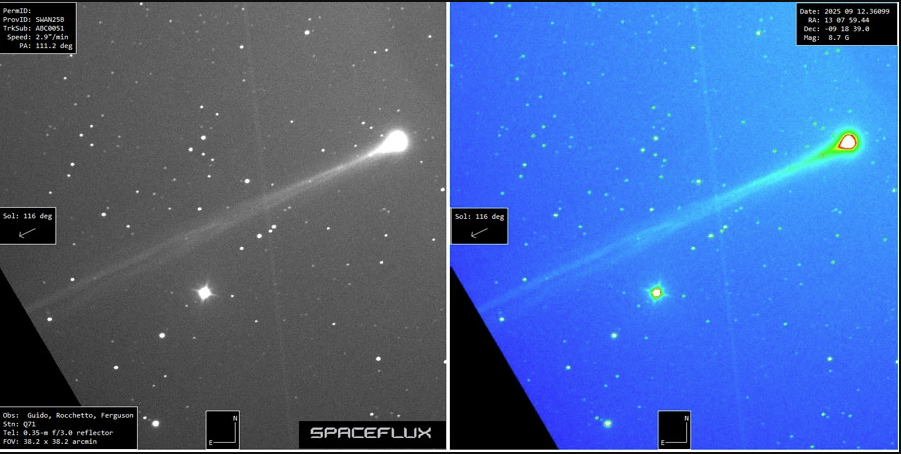
LIGO Has Become a Black Hole Discovery Factory
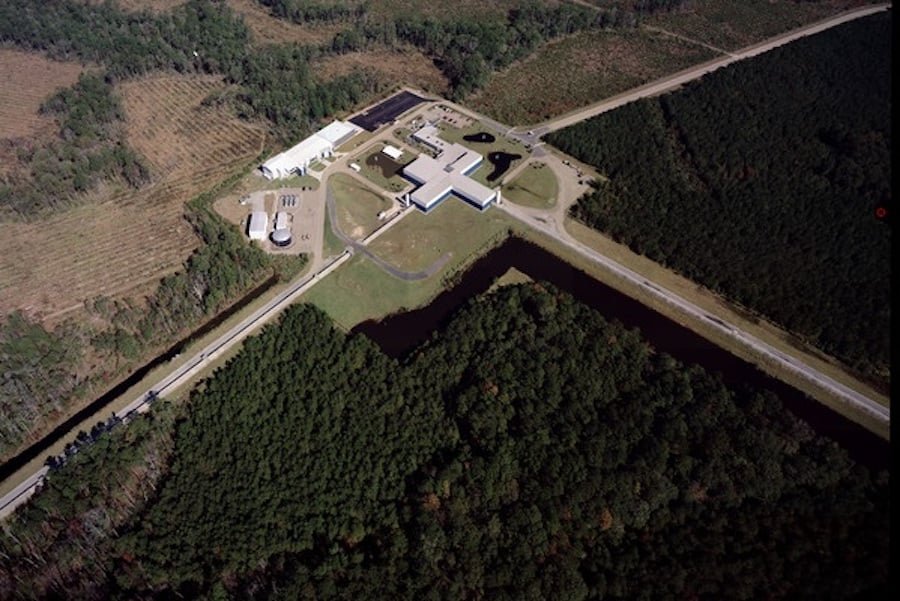
Ten years ago, we heard the universe whisper for the first time. On September 14, 2015, the Laser Interferometer Gravitational wave Observatory (LIGO) detected ripples in space-time. The signal came from the gravitational waves that had traveled 1.3 billion years to reach Earth, carrying the story of two colliding black holes. This historic moment, predicted … Read more

A Rover To Mine Martian Volcanoes

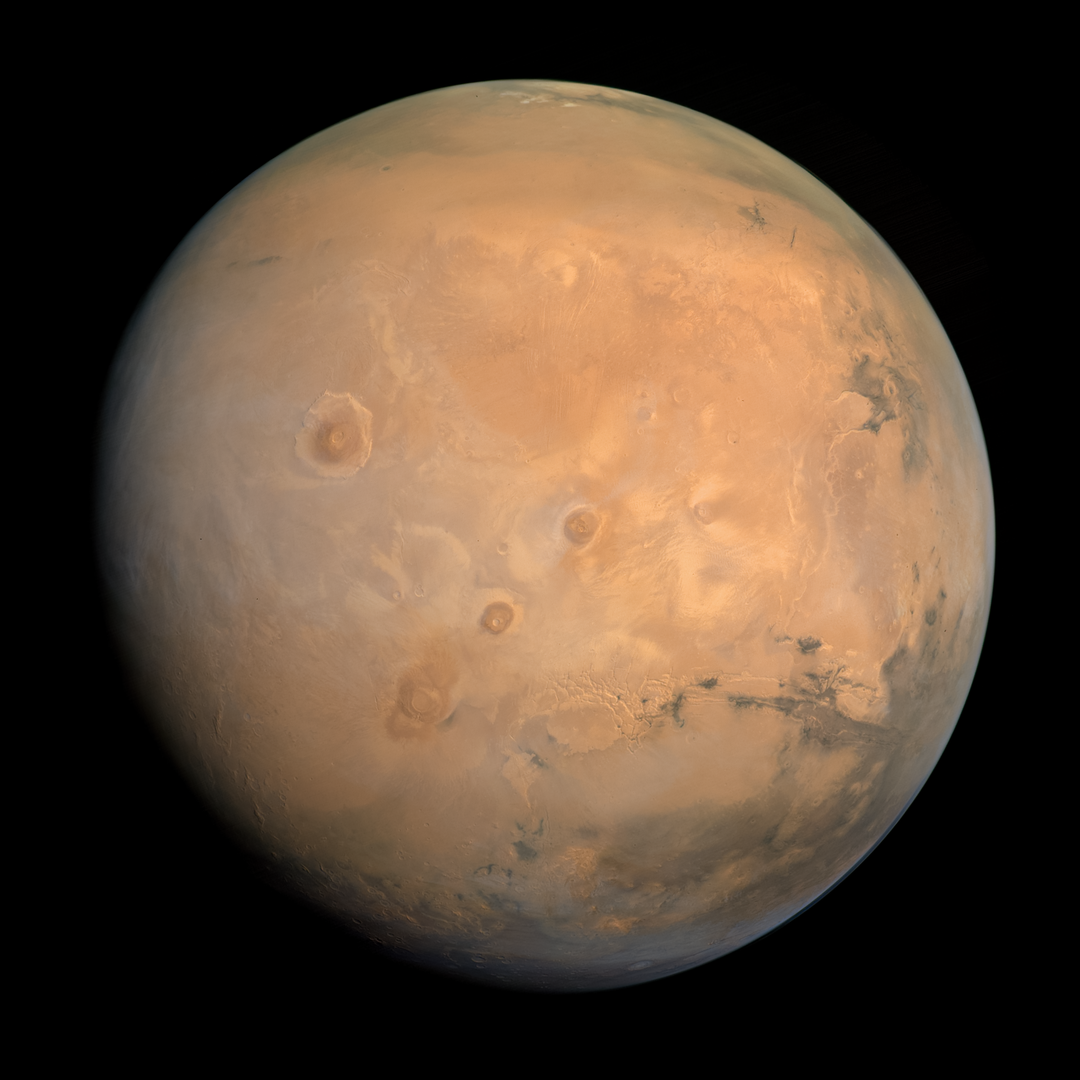
Different parts of Mars have different advantages and disadvantages when it comes to their available resources, just like Earth. The polar caps are likely the most valuable in terms of their water content, which will be critical to any early stage crewed mission to the Red Planet. But to really unlock the fully potential of … Read more

Civilization Can’t Arise Without Plate Tectonics And Carbon Dioxide

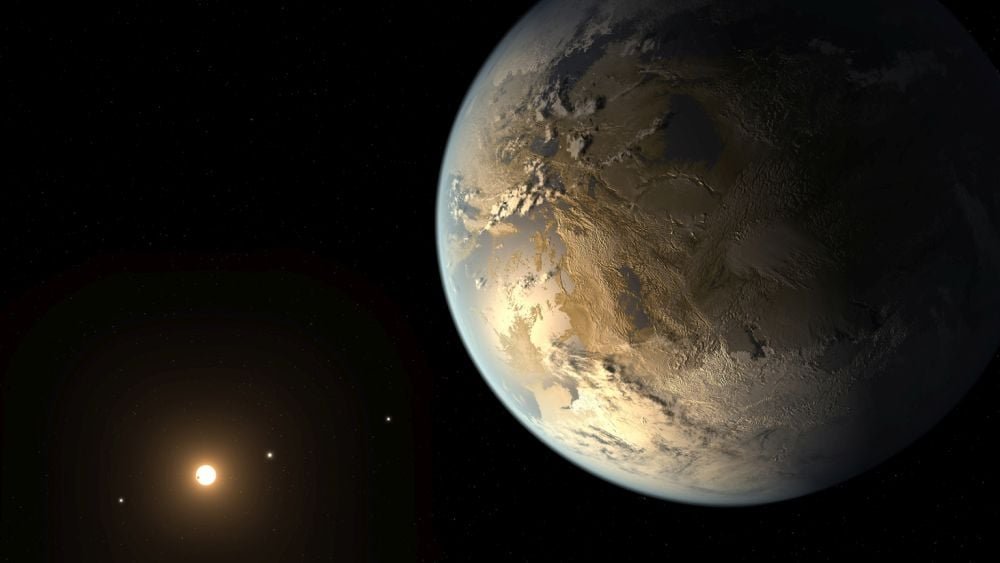
While plate tectonics may not be absolutely necessary for life, they may be necessary for a technological civilization to arise. Habitability may be possible on a static world, but habitability probably won’t persist long enough for a technological civilization like ours to appear. Plate tectonics regulates our planet’s climate, and without it, atmospheric CO2 would … Read more

Interstellar Objects Like Comet 3I/ATLAS Could Act As Planetary Seeds

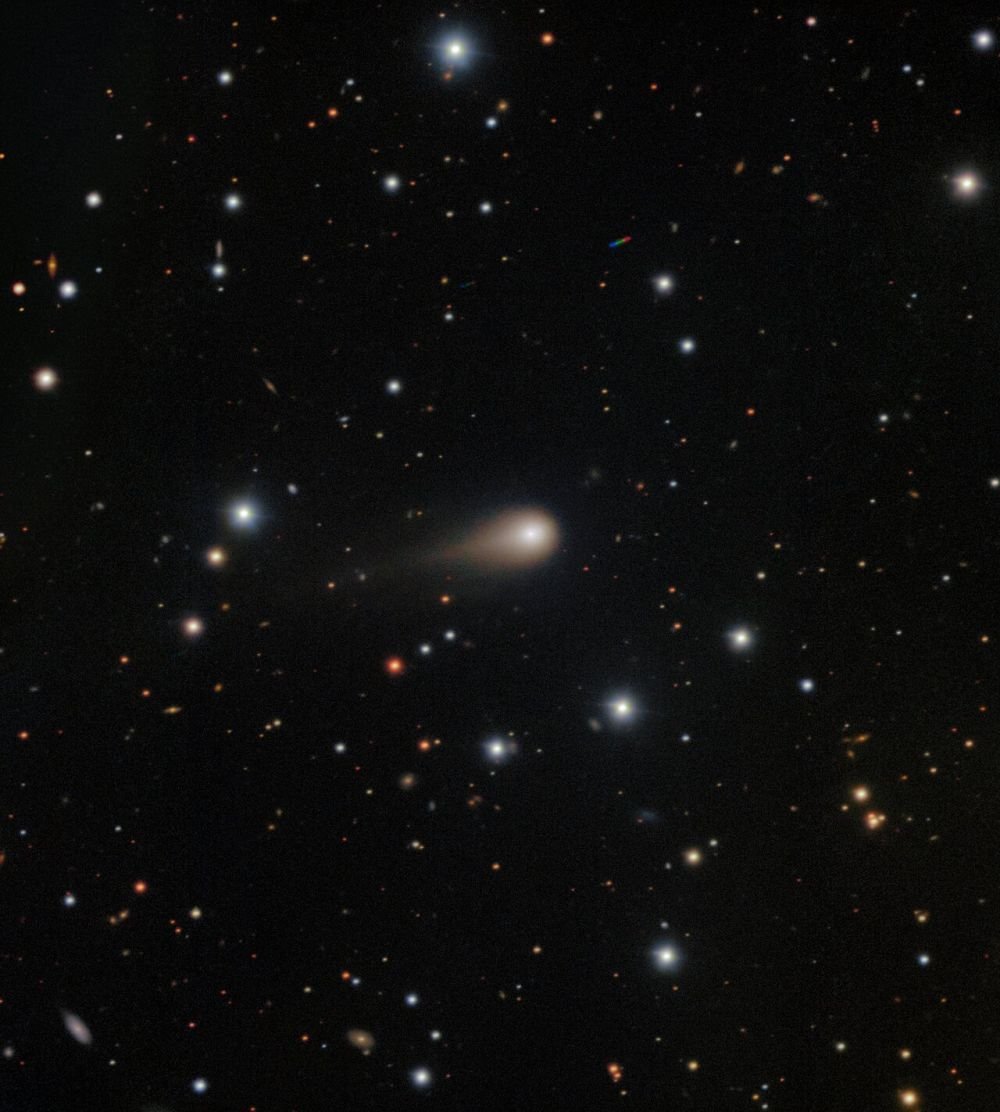
The Gemini South Telescope captured this image of the interstellar comet 3I/ATLAS as it sped through the inner Solar System. The comet’s coma and tail are growing as it approaches the Sun. Image Credit: By International Gemini Observatory/NOIRLab/NSF/AURA/Shadow the Scientist, CC BY 4.0, https://commons.wikimedia.org/w/index.php?curid=174444353 Comet 3I/ATLAS’s appearance in the inner Solar System in July 2025 … Read more

Astronomers Catch a Planet in the Act of Being Born

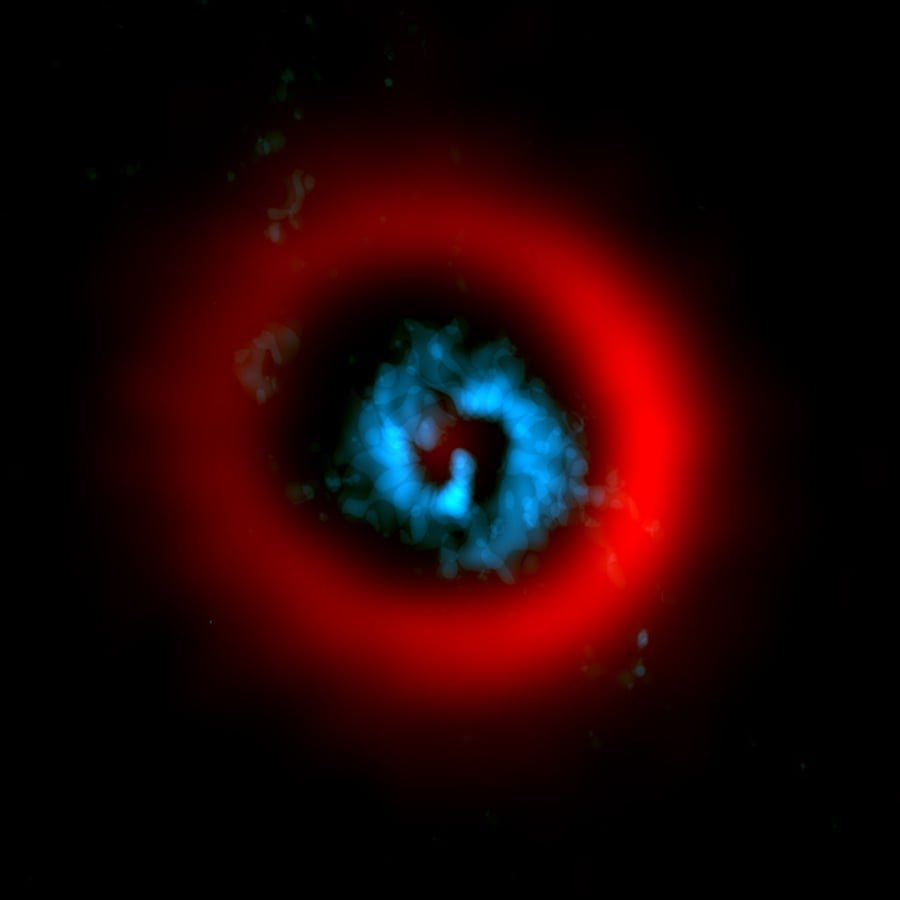
Protoplanets are celestial objects in the act of forming into full planets within the gas and dust disks surrounding hot, young stars. These objects, often several times the mass of Jupiter, are still embedded in their birth environments, actively feeding on surrounding material through their own circumplanetary disks. Unlike mature planets, protoplanets offer a rare … Read more